
DELTA MEMBRANE SYSTEMS LTD
DELTA HOUSE
MERLIN WAY
NORTH WEALD
EPPING
ESSEX CM16 6HR
Tel: 01992 523523
Fax: info@deltamembranes.com



Suppliers of: Type C Waterproofing membranes, Basement/Below Ground Cavity Drainage Systems, Tanking Systems, Basement Tanking Membranes, Type A Waterproofing Systems, Type B Waterproofing Systems, Structural Waterproofing, Waterproofing Systems, Submersible Pumps, Fl
Delta Membrane Systems Limited is the leading Type C Cavity Drain Membrane manufacturer in the United Kingdom and the UK arm of Dörken Gmbh & Co KG, the world’s largest manufacturer of cavity drain membranes. Delta Membrane Systems Limited provides a full range of waterproofing and damp proofing solutions for architects, specifiers, developers, contractors and homeowners alike on new, retrofit and refurbishment construction and in flood resilience. We also supply ground gas protection membranes protecting structures from harmful ground gases such as radon, carbon dioxide, methane and hydrocarbons.
Installing a Delta Membrane System offers complete protection to structures from ground water ingress and contaminates. Our products comply with British Standard 8102:2022, 8485:2015+A1:2019 and 85500:2015 and are BBA certified.
Our nationwide network of Delta Registered Installers offers a fully guaranteed installation service.
Proudly supporting the Women of Waterproofing Networking Group to inspire, retain and attract females into the Waterproofing sector.
Useful Resources:
- CAD Drawings available on our website or via FastrackCAD
- Pump Calculators Available online (Groundwater / Surface Water / Foul Water): Click here
Main Products & Applications:
Structural Waterproofing:
Delta provides waterproofing products for all three types of waterproofing (Types A, B & C) as defined within BS 8102:2022.
Our ‘Type C’ Waterproofing Systems are a maintainable basement/below ground waterproofing solution for new-build basements, refurbishment and retrofit projects. The Type C System comprises of a Cavity Drain Membrane, Drainage system, Package Pump and Control System.
In principle a cavity drain membrane system allows moisture or running water to travel behind the membrane within a controlled drainage system. A cavity drain system requires minimal preparation and disturbance to an existing substrate.
Waterproofing Buried roofs/Podium Decks/Balconies & Terraces
In various formats podium decks have been around for many years, however they are becoming more widely used on top of basement constructions as either paved areas, gardens or terraces. A podium deck is a structural element which is essentially an elevated platform which allows for usage both above and below, these may be terraces over underground car parks, gardens over basements, balconies over terraces and patios.
External Drainage Systems
External Drainage Systems are also known as external tanking, which is the application of a waterproof membrane to the outside of a basement or substructure in accordance with BS 8102:2022 (Type A).
Ground Gas Protection Systems
Delta Membrane Systems Limited offer a comprehensive range of ground gas protection solutions along with its structural waterproofing solutions. From our MemTech ground gas membranes to waterproofing systems, our product range is designed to deal with all ground gas, contaminants and waterproofing related problems.
KÖSTER Tanking Products
Koster Bauchemie AG specialises in high quality structural waterproofing products and systems. These systems protect and preserve buildings and structures worldwide. Whether the subject is restoration of a heritage building, waterproofing of a new building, reinstalling failed horizontal barriers in masonry, restoration of wet basements, or waterproofing of roofs and facades, rest assured; with our comprehensive and deep product program Koster have the optimum solution.
Koster systems and products stand out due to their exceptionally easy and user-friendly application.
Specialist Basement Drainage – Pumps and Flood Protection
We have a team of application engineers who can assist with selection of ground, surface & foul water pump stations. This can be carried out against drawings, meetings on site & your offices or ‘via net’ viewer sessions.
We can also provide solutions for Flood prevention for both renovation and new build projects.
- Delta HLA PLUS - An advanced high-water level alarm system, specifically designed for real-time tracking and monitoring of pumping stations, providing a reliable tool in your hands.
Damp Proofing – Above ground
Damp Proofing is the process in which methods are used to prevent water/water vapour from travelling through walls and floors from ground level up (rising damp). There are other ways damp can enter walls, but this is the most common.
Delta offer a range of physical and chemical DPC’s that can treat all types of Damp.
Structural Waterproofing – Pre-formed, Liquid Applied & Injection
Delta offer a wide range of waterproofing solutions for all types of applications. Products include pre-formed membranes & ancillary products, liquid applied systems, movement and construction joint waterproofing and injection systems. Please contact our technical team for support in selecting the right system for your project.
Further technical information and guidance is available on the Delta Membrane Systems website or via the BPi download Library
Delta Waterproofing Beyond Sustainability: Building for the Future
 Sustainability has become one of the most influential drivers within the construction industry. From reducing carbon emissions to improving energy efficiency and responsible material selection, the sector has made significant strides towards creating a greener built environment.
But is sustainability enough?
Increasingly, designers, contractors, and asset owners are looking beyond sustainability alone. The focus is shifting towards creating buildings that are not only environmentally responsible today, but also capable of performing, adapting, and enduring for decades to come. In this evolving landscape, waterproofing plays a far more important role than many people realise.
The Hidden Cost of Water Ingress
When discussing sustainable construction, conversations often focus on recycling, embodied carbon, improved insulation, renewable energy technologies, and, dare we mention it, value engineering. Yet one of the greatest threats to a building’s long-term performance remains water ingress.
Water-related defects can cause extensive damage to structures, internal finishes, building services, equipment, and stored contents.
The resulting repairs often carry significant financial and environmental implications, requiring material replacement, additional transportation, increased labour, and operational disruption. Each cycle of repair generates further carbon emissions while consuming valuable resources.
Simply put, a building that requires continual repair cannot truly be considered sustainable.
Effective waterproofing should therefore be viewed as a fundamental component of sustainable construction. By preventing water ingress from the outset, designers and contractors can extend the service life of a structure, minimise maintenance requirements, reduce material waste, and support the long-term performance of the building throughout its lifecycle.
Designing for Service Life
The concept of service life is becoming increasingly important within modern construction. Rather than focusing solely on completion, designers are considering how buildings will perform over 50, 75, or even 100 years.
Effective waterproofing contributes directly to this objective by protecting structures from deterioration, reducing maintenance requirements, and helping preserve the integrity of the building throughout its lifecycle.
At Delta, durability is not simply assumed, it is verified. Our waterproofing membranes have undergone extended lifecycle testing designed to assess their long-term performance under sustained loading and challenging environmental conditions. The testing evaluated the membranes’ resistance to stress cracking and potential chemical attack, helping to demonstrate their suitability for use over extended design lives.
The results provide confidence that, when correctly specified and installed, waterproofing systems can continue to perform for decades, supporting the longevity and resilience of the structure they protect.
A waterproofing system should never be viewed as a short-term installation. It is a critical component that underpins the long-term performance of a building, helping reduce maintenance interventions, minimise material replacement, and support a more sustainable built environment.
By designing for durability from the outset, the construction industry can move beyond simply reducing environmental impact today and instead create buildings capable of delivering reliable performance for generations to come.
Resilience in a Changing Climate
Climate patterns are changing, bringing increased rainfall intensity, more frequent extreme weather events, and greater pressure on drainage infrastructure.
Buildings constructed today must be capable of withstanding tomorrow’s environmental challenges.
This requires robust waterproofing solutions that can accommodate varying ground conditions, hydrostatic pressure, flooding risks, and fluctuating water tables. Waterproofing should not be viewed solely as a means of preventing water ingress, but as a critical element of a building’s overall resilience strategy.
Designers who adopt a resilience-led approach are not only protecting the structure itself but also safeguarding future occupants, owners, and assets from avoidable disruption, damage, and financial loss.
Investing in durable, well-designed waterproofing measures at the outset can significantly reduce the need for future remedial works, helping buildings remain operational, efficient, and fit for purpose throughout their intended service life.
In this respect, waterproofing delivers benefits that extend far beyond moisture protection. It contributes to the long-term resilience, sustainability, and value of the built environment, ensuring buildings are better prepared to meet the challenges of a changing climate.
The Role of Monitoring and Maintenance
Future-ready construction extends beyond the physical waterproofing system. Increasingly, technology is being used to support proactive asset management through remote monitoring and intelligent maintenance strategies.
Remote monitoring systems, such as the Delta HLA Plus can provide valuable insight into the performance of pumping stations, drainage networks, and groundwater management systems, enabling potential issues to be identified before they develop into costly failures.
This shift from reactive maintenance to preventative management allows building owners and facility managers to respond to early warning signs, reducing the likelihood of system downtime, water damage, and emergency repairs.
By identifying performance issues at an early stage, remote monitoring can help extend system lifespan, improve operational efficiency, and minimise disruption to building occupants. It also supports more informed maintenance planning, ensuring resources are deployed where and when they are needed most.
As buildings become smarter and more connected, the integration of monitoring technology with waterproofing and water management systems will play an increasingly important role in safeguarding long-term building performance.
Ultimately, future-ready construction is about more than preventing water ingress today. It is about creating resilient, adaptable buildings capable of responding to changing environmental conditions while maintaining reliable protection throughout their service life.
Fire Safety Awareness
Fire safety awareness has become an increasingly important consideration within sustainable construction. While discussions often focus on reducing carbon emissions, improving energy efficiency, and extending service life, creating safer buildings must remain at the forefront of the design process.
A building cannot be considered truly sustainable if it fails to provide a safe environment for its occupants. Designing for fire resilience helps protect lives, preserve property, reduce disruption, and minimise the environmental impact associated with fire damage and subsequent reconstruction.
Modern waterproofing and construction systems must therefore be considered not only in terms of their environmental credentials but also their contribution to overall building safety. The selection of appropriate materials, adherence to regulations, and commitment to best practice all play a vital role in delivering buildings that are both durable and safe.
Products such as Delta MS 500 Fire Retardant demonstrate how waterproofing and fire safety can work hand in hand. This BBA-certified 8mm studded cavity drain membrane achieves a Euroclass fire rating of B-s2,d0 in accordance with EN 13501-1 and is suitable for use on the internal faces of earth-retained walls, floors, and vaulted ceilings as part of a water management system protecting below-ground structures from the adverse effects of groundwater ingress.
While a fire-retardant membrane will not prevent a fire from occurring, it can help limit fire spread and smoke development, providing valuable additional time for occupants to evacuate the building safely. When combined with a holistic fire strategy, the specification of fire-retardant materials can make a meaningful contribution to overall building safety.
By integrating fire safety considerations alongside waterproofing, energy efficiency, and long-term durability, the construction industry can create buildings that are not only environmentally responsible but also resilient, safe, and fit for the future.
Ultimately, building homes and workplaces that are safer should be one of the primary objectives of every design team. True sustainability is about more than reducing a building’s environmental impact; it is about protecting the people who use those buildings throughout their entire lifespan.
Supporting the Golden Thread
The introduction of the Golden Thread philosophy has reinforced the importance of accurate, accessible, and up-to-date information throughout a building’s lifecycle.
Waterproofing design decisions, maintenance requirements, product data, inspection records, and monitoring information all form part of this continuous record, helping to create a clearer understanding of how a building performs over time.
By maintaining comprehensive documentation, building owners and asset managers are better equipped to manage risk, plan preventative maintenance, demonstrate compliance, and preserve long-term building performance. Access to reliable information also supports informed decision-making, ensuring that any future refurbishment, repair, or upgrade works can be undertaken with confidence.
Waterproofing systems should not simply be installed and forgotten. Like any critical building element, they require consideration throughout the life of the structure to ensure they continue to perform as intended.
When combined with robust design, quality installation, fire safety considerations, and modern monitoring technologies, the Golden Thread provides a framework for delivering safer, more resilient, and more sustainable buildings.
Ultimately, sustainable construction is not simply about how a building is designed and built today. It is about ensuring the information, systems, and strategies are in place to support its performance, safety, and longevity for decades to come.
Beyond Carbon
Reducing carbon remains an essential priority, but true sustainability extends far beyond environmental targets alone.
A genuinely successful building is one that remains dry, safe, functional, and efficient throughout its service life. It is a building that avoids premature repair, minimises material waste, protects occupants, and continues to perform as originally intended.
Waterproofing is fundamental to achieving these objectives. By protecting structures from water ingress, supporting durability, enhancing resilience, and reducing the need for future remediation, effective waterproofing plays a critical role in the long-term sustainability of the built environment. When combined with fire safety, robust asset management, intelligent monitoring technology, and the principles of the Golden Thread, waterproofing becomes far more than a protective measure. It becomes an investment in the future performance, safety, and longevity of a building.
As the construction industry continues to evolve, the focus must shift beyond designing buildings that simply meet today’s requirements. Instead, we should strive to create buildings that remain resilient, efficient, and safe for generations to come.
Because true sustainability is not just about building for today. It is about building to last.
Always Happy to Help
At Delta, we believe that successful waterproofing is about far more than keeping water out. It is about supporting resilient, durable, and future-ready buildings that can stand the test of time.
Through collaborative design support, technical expertise, and comprehensive waterproofing solutions, we help construction professionals deliver protection that extends well beyond sustainability and towards long-term building performance.
Because the most sustainable building is often the one that never needs repairing in the first place.
Richard Crossley joins Delta’s Technical Team
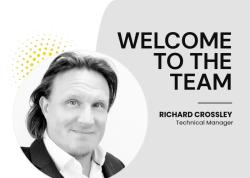 Strengthening Delta’s Technical Expertise and Specification Services
Delta Membrane Systems is delighted to announce that Richard Crossley has joined the company’s Technical Team, further strengthening Delta’s commitment to delivering industry-leading waterproofing advice, design support, and technical excellence.
Richard is a highly experienced waterproofing design specialist with particular expertise in the development of project-specific waterproofing specifications. His extensive knowledge of below-ground waterproofing, construction detailing, and technical support will help customers navigate complex waterproofing challenges with confidence.
Richard’s appointment reflects Delta’s ongoing investment in technical excellence and its commitment to supporting customers at every stage of the design and construction process.
Commenting on the appointment, Kevin Dodds, Managing Director of Delta Membrane Systems, said:
“We’re very excited to welcome Richard to our team at Delta. Delta’s ethos is that we work from the customer’s concept and provide solutions to the real problems our customers are facing. This entails identifying and tailoring the right solution for our customers and their projects.
Richard has a wealth of knowledge and experience, along with a fantastic focus on tailoring solutions to project requirements, which will see him well suited as a valued member of the team.”
Richard’s practical, solutions-led approach aligns perfectly with Delta’s customer-focused philosophy. His experience in waterproofing design and specification development will provide additional support to architects, engineers, contractors, developers, and waterproofing specialists seeking robust and compliant solutions in accordance with BS 8102:2022.
Delta Membrane Systems takes care of your waterproofing strategy from start to finish, including technical advice and guidance, product selection, approval of technical drawings, site inspections, and ongoing site support. This holistic approach ensures customers receive tailored waterproofing solutions that meet the specific requirements of their projects.
Richard will also play an important role in Delta’s technical training and CPD programmes, helping to share industry best practice and support the next generation of waterproofing professionals.
We are delighted to welcome Richard to Team Delta and look forward to the expertise, insight, and enthusiasm he will bring to the business and our customers.
Welcome to Delta, Richard.


