
HYDRON PROTECTIVE COATINGS LTD
UNIT 7
PHOENIX ROAD
WEDNESFIELD
WOLVERHAMPTON
WEST MIDLANDS WV11 3PX
Tel: 01902 450950
Fax: enquiries@hydronpc.co.uk



Suppliers of: thermal insulating paint, Anti-Graffiti coatings spray paint remover intumescent coatings
Hydron are UK suppliers of a wide range of technically advanced paints and coatings. Our ranges include anti-graffiti coatings and removers, water repellants, fire protection paints and innovative thermally insulating paints.
Our coatings and paints have a proven track record of success that is a direct result of listening to our customers and satisfying their requirements. Our industry leading range of products and services are specified and supplied throughout the U.K. to many major companies and service all types of industry as well as local and central government.
External Anti-Graffiti Coatings.
Hydron manufacture a extensive range of anti graffiti coatings, these include:
- Nu-Guard® AG Clear a long life exterior Clear Anti Graffiti coating system.
- Nu-Guard® AG Colour is long life Pigmented Anti-Graffiti coating system.
- Nu-Cryl AG Clear Protection, a permanent economical clear protection for Brick, Stone and Concrete.
- Nu-Sil® AG the clear protector, Semi-Permanent clear protection for Brick and Stone.
Internal Anti-Graffiti Coating.
Nu-Flame AG Colourcoat® is an attractive anti-Graffiti multi colour paint, Long Life Protection against Vandals.
We manufacture and supply a comprehensive range of environmentally safe spray paint graffiti removers.
- AG2 Graffiti Remover – Liquid Graffiti Remover for sensitive surfaces
- AG3 Graffiti Remover – Liquid Graffiti Remover for non porous surfaces and metal
- AG4 Graffiti Remover – Gel Graffiti Remover for porous surfaces such as brickwork and concrete
- SL1 Shadow Lifter – Removes shadows from porous surfaces
Nu-Guard® NRG Thermal Insulating Coatings.
Nu-Guard® NRG coatings advanced formulae increases the thermal efficiency for both internal and external walls by lowering Thermal conductivity of building materials.
- NRG external coating - A super hydrophobic water repellent coating that by preventing the ingress of water increases the thermal efficiency of the building. NRG is water permeable allowing walls to still breath whilst also providing a self cleaning surface preventing moss, algae forming upon surface. NRG improves fire resistance and is UV stable and available in a range of colours.
Nu-Flame Intumescent & Fire Protection Coatings.
Nu-Flame is our range of decorative paints for converting painted surfaces to comply with class ’0’ as required by Building Regulations BS476 Parts 6 & 7, solvent and water based intumescent coatings for structural steel and intumescent varnish for timber. The Nu-Flame range has:
- Fire Upgrade Coatings for walls and ceilings.
- Fire Protection Coatings for Structural Steel & Cast Iron.
- Fire Protection Coatings for Timber Surfaces.
Nu-Base HB Epoxy Floor Finish is a two-pack solvent free resin. For use in most industrial floors including concrete and wood and provides a decorative dust-free finish. Being odour free and non-tainting is ideal for use in food industry, dairies, and breweries.
Nu-Base Single Pack Floor Paint is a fast drying floor paint based on a polyurethane modified alkyd resin. A non slip additive can be incorporated within the paint to provide a ready to use Anti Slip floor paint
Protective Coatings for Steel.
Nu-Steel is a range of high performance coatings giving long life anti-corrosion protection, weatherproof steel protection system and for protection in severe climatic conditions
Nu-Steel TP System is a Highway Agency approved coating system
Nu-Cryl® WRS is a super hydrophobic coating for concrete, granite, marble, stone and masonry substrates,
Nu-Cryl® WRS Extra is a invisible impregnation for floors which also allows easy chewing gum removal
Nu-Sil® WRS is a siloxane impregnation water repellent for stone and masonry.
- PC1 Paveclean is a blend of solvents and detergents developed to clean outdoor paving and hard landscape surfaces.
- MC1 Multiclean is a water soluble degreaser formulated to remove staining and general grime from pre-fabricated buildings and other hard surfaces. Also suitable for cleaning industrial floors.
- CG1 Chewing Gum Remover. A user Friendly Chewing Gum Remover
- BC1 & BC2 - Brick Cleaner, for removing grime from masonry and bricks
- CM1 Cement & Mortar Cleaner for removing cement stains.
- SP1 Security Paint. Non-Setting anti climb paint.
- OD1 Oil Dispersant for removing oil spillages
Further technical information is available to download from the Hydron Website or via the BPi Download Library.
How Anti-Graffiti Paint Protects Your Property Through The Darker Months
 As the nights draw in, walls, shutters and signs spend longer in the dark and take more of a battering from the weather. Anti-graffiti paint gives those surfaces a protective barrier, so tags and marker pens come off more easily, and everyday grime doesn’t take hold. Here’s how it copes with autumn and winter, and how to keep treated surfaces looking clean until spring.
Why Autumn & Winter Put Surfaces Under Pressure
Cold, wet months are tough on exterior surfaces, even before anyone picks up a spray can.
Longer Nights & Opportunistic Tagging
Earlier sunsets mean more hours of darkness, and quieter streets give vandals more cover. Walls, roller shutters, bin stores and signs near footpaths are the usual targets. Once paint soaks into bare brick or render, it’s much harder to shift.
Rain, Frost & Grime
Persistent damp encourages algae and dirt, and frost can make porous surfaces more vulnerable to moisture. Cleaning in freezing, soggy conditions is also slower and less effective. A coating that stops paint and dirt sinking in means less scrubbing when the weather’s at its worst.
How Anti-Graffiti Paint Works In Cold, Wet Weather
These coatings form a surface that spray paint, ink and marker pens struggle to bond with. Instead of soaking in, the graffiti sits on top and can be taken off without damaging what’s underneath. Most systems fall into one of two types.
Permanent Coatings
A permanent coating stays in place through repeated cleans. It creates a durable, easy-to-wipe layer that also helps shrug off winter grime. If you need long-term protection with minimal upkeep, this is usually the better fit.
Sacrificial Coatings
A sacrificial coating is removed along with the graffiti, taking the marks with it. You then reapply it to the cleaned area. It suits surfaces where you want a barrier that’s invisible and easy to renew.
You can choose clear finishes that keep the natural look of brick or stone, or coloured finishes that also cover up old marks.
Which Surfaces Benefit Most?
Anything exposed, visible and within easy reach is worth protecting.
Brick & Masonry Walls
Porous walls absorb paint and moisture, which is why they’re so hard to clean once marked. Combining anti-graffiti protection with a suitable masonry coating system helps keep rain out while making graffiti easier to remove.
Metal Shutters & Signage
Shutters and signs get hit by both vandals and the elements. Rust and flaking paint make them look neglected, and neglected-looking premises can attract more attention. Using the right metal paint before applying a graffiti-resistant finish gives you a smoother, more durable surface that wipes clean far more easily.
Why Protecting Surfaces Early Saves Time & Money
Repainting over graffiti is a short-term fix. The marks often bleed through, the new paint weathers unevenly, and you’re back to square one after the next tag. Over a long winter, that can mean repeated call-outs, scaffolding or access equipment, and disruption for staff and customers.
A protective coating changes that routine. Instead of repainting, you clean. Most marks come off with a wash or a suitable remover, and the surface underneath stays in good condition. For landlords, schools, retail units and facilities managers looking after several sites, that predictability is just as valuable as the finish itself.
Getting The Timing Right Before Winter Sets In
Applying a coating works best in a settled dry spell, so it’s worth acting early. Here’s a quick checklist:
Clean the surface thoroughly and let it dry fully
Remove any existing graffiti and loose or flaking paint first
Check the datasheet for minimum application temperatures and drying times
Avoid applying before expected rain or frost
Apply an even coat by roller or brush for smaller areas
Skipping preparation is the most common reason coatings underperform, so don’t rush it.
How To Keep Treated Surfaces Easy To Clean
Protection works best when you pair it with simple upkeep.
Clean Gently & Regularly
A quick wash with warm, soapy water and a soft cloth or brush is usually enough for dirt, algae and splashes. Avoid harsh abrasives, which can wear down a coating. If you’ve had a hard frost, wait for surfaces to thaw before washing.
Deal With Graffiti Quickly
The sooner you remove marks, the easier they come off. For anything stubborn, dedicated graffiti removal products are designed to lift paint and ink without harming a compatible coating. Always check compatibility and test a small patch first.
Graffiti counts as criminal damage, so it’s worth reporting it to the police and taking photos before cleaning, in case you need them for an insurance claim.
Anti-Graffiti Paint FAQs
Can I apply anti-graffiti paint in autumn or winter?
Yes, provided the surface is clean and dry and the temperature suits the product. Pick a dry spell, avoid frost and rain while it cures, and follow the datasheet.
Who’s responsible for removing graffiti from my property?
For private property, it’s usually the owner. Councils can also serve a graffiti removal notice if the marks harm the look of an area or are offensive, giving you at least 28 days to remove them.
Will anti-graffiti paint change how my wall looks?
Clear coatings are designed to keep the surface’s natural appearance. If you’d like to freshen things up, coloured finishes are available, and they work well for covering existing marks.
Get Expert Anti-Graffiti Paint Advice Before Winter
Don’t wait for the first tag to appear. If you’re unsure which coating suits your walls, shutters or signage, our team can talk you through your options. Get in touch with the details of your surface, and we’ll help you choose protection that’s ready for the darker months.
Tel: 01902 450950
Email: enquiries@hydronpc.co.uk
Can You Apply Waterproof Paint In Cold Weather? Autumn & Winter Tips
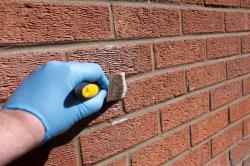 Yes, you can, but it takes more care than summer application. Applying waterproof paint in cold weather works as long as the temperature, moisture levels and drying time all stay within what the product needs. Get it wrong and you risk poor adhesion, patchy finishes and early failure. Get it right and your waterproofing for brickwork and concrete will be ready for the worst of the winter weather. Here’s what to check before you pick up a brush.
What’s The Minimum Temperature For Applying Waterproof Paint?
Most exterior masonry coatings need the air and the surface to sit above 5°C and above 25°C, and they should be protected from rain for at least 48 hours afterwards. Some cold-weather formulas can go lower, to around 2°C, but you should refer to the datasheet as the final authority.
Why Surface Temperature Matters
The air temperature on the forecast isn’t the whole story. Shaded, north-facing walls can be noticeably colder than the air around them, so use a surface thermometer if you can. If the wall is below the minimum, wait.
Why Overnight Lows Matter
Paint keeps curing for hours after it feels dry to the touch. If temperatures drop below the minimum that evening, the film can stay weak and under-cured. Check the overnight forecast as well as the daytime high.
Watch The Dew Point & Frost
Aim for a surface temperature at least 3°C above the dew point, otherwise condensation can form on wet paint. Never coat a frosty wall either. Trapped moisture freezes, expands and leads to blistering and flaking.
How To Choose Waterproof Paint For Colder Months
Not every product copes with cool, damp conditions in the same way. The different types of masonry paint vary in how they dry, how breathable they are and how quickly they become shower resistant.
Before you buy, check the datasheet for:
The minimum application temperature
How long it takes to become showerproof
Recoat times at lower temperatures
Full cure time
Whether the coating lets the wall breathe
Breathability matters in winter. A coating that traps moisture behind it will struggle once temperatures swing up and down.
How To Prepare Surfaces In Cold & Damp Conditions
Preparation matters even more in autumn and winter, because damp walls and slow drying leave less room for error.
Clean Walls & Treat Growth
Remove dirt, loose paint, moss and salts first. If you’ve got green or black patches, you’ll need to treat algae and mould growth properly rather than just painting over it. Painting over growth is one of the quickest ways to cause peeling.
Make Sure The Wall Is Dry
Washing a wall in cold weather adds moisture, and it takes far longer to evaporate than it would in July. Leave plenty of time after cleaning or heavy rain. A moisture meter takes the guesswork out of it, and paint applied to a damp wall simply won’t bond properly.
Prime Where Needed
Powdery, crumbling or very porous surfaces usually need sealing first. Knowing how to pick the right primer for masonry paint makes a big difference to coverage and adhesion.
Tips For Applying Waterproof Paint In Cold Weather
Once the weather and the wall are right, a few habits will improve your results.
Paint During The Warmest Part Of The Day
Start mid-morning once the sun has taken the edge off the surface, and stop early enough that the coat has several hours above the minimum temperature before the evening chill. Avoid starting a new section late in the afternoon.
Apply Thin, Even Coats
Thick coats dry slowly in the cold and are more likely to fail. Apply thin coats and leave enough time between them. Don’t add water or solvents to thin the paint. Manufacturers don’t test their products with additives, so you could compromise the finish.
Cold paint is also thicker and harder to apply, so store tins somewhere warm and bring them out when you’re ready to start.
Allow Extra Drying Time
Cold, damp air slows evaporation, and drying times can double or even triple. Stick to the recoat times on the datasheet for the temperature on the day, not the one printed for ideal conditions. Rushing a second coat traps moisture in the first.
Ideally, pick a window with a dry forecast for at least 48 hours.
Frequently Asked Questions
What temperature is too cold to apply waterproof paint?
For most exterior masonry coatings, anything below 5°C is too cold, and you shouldn’t apply paint to frosty or frozen surfaces. Some low-temperature formulas can be applied slightly lower, so check the datasheet.
Can I apply waterproof paint to damp walls?
No. Moisture in the wall stops the paint bonding and can lead to blistering and peeling. Let the surface dry fully, using a moisture meter to confirm, before you start.
How long does waterproof paint take to dry in winter?
It takes longer than in warm weather, often twice as long or more. Expect to wait longer between coats and keep the surface protected from rain, frost and heavy dew for at least 48 hours.
Get Expert Advice On Waterproof Paint For Autumn & Winter Projects
If you’re planning exterior work this autumn or winter, choosing the right product and timing the job properly can save you from costly repairs later. We’re happy to talk through your surface, the conditions and the datasheet details, so you know exactly what to expect.
Get in touch with our team by phone or email today for free, friendly advice before you start.
Tel: 01902 450950
Email: enquiries@hydronpc.co.uk


