Hydron Protective Coatings -When To Use Fire Retardant Paint
 Fire retardant paint is becoming more common across homes, commercial buildings, and industrial sites, and for good reason. This type of paint offers far more than a tidy finish. It is designed to slow down the spread of flames, support safer evacuation, and help protect the structure of a building during a fire. With options for timber, steel, walls, ceilings, and high-use communal spaces, it can play an important role in keeping buildings safer. Many businesses and property owners across Wolverhampton and the wider UK are now choosing it as part of their fire protection plans.
What Is Fire Retardant Paint?
Fire retardant paint looks similar to standard decorative paint, but its purpose goes much further. Once applied, it forms a protective layer that helps limit how quickly flames can move across a surface. In the event of a fire, this coating can slow the impact of heat and reduce how fast the fire spreads. This gives people more time to exit the building and allows fire crews a better chance to reach the scene.
Different types of paint work in slightly different ways. Some expand when exposed to heat, while others form a protective barrier that reduces the fuel available to a fire. All are designed to support safer conditions during the early stages of a fire.
When Fire Retardant Paint Should Be Used
Fire retardant paint can be used across a wide range of properties. In many cases, it is recommended by building professionals because it helps bring surfaces in line with fire safety expectations and makes the building safer to use.
Common situations where this paint is used include:
Areas with wooden structures, such as timber walls, ceilings, beams, and staircases
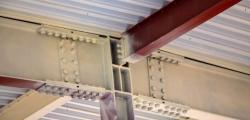
Steelwork that needs added fire resistance to help keep its strength for longer
Communal spaces such as corridors, stairwells, and lift lobbies
Escape routes that must be easy to navigate during an emergency
Older buildings where layers of paint need a fire safety upgrade
Residential and commercial properties that need improved fire protection
High-traffic areas that require a safer surface without removing the existing paint
In many cases, fire retardant paints are a practical way to upgrade surfaces without needing to strip them back or carry out major building work.
How Fire Retardant Paint Supports Safety
Fire retardant options offers several benefits that make it a valuable addition during renovations or new builds. These include:
Slowing Flame Spread
One of the main benefits is the ability to slow down the speed at which flames move. This delay is important for helping people leave the building safely.
Added Protection For Building Materials
Surfaces like timber and steel can weaken quickly during a fire. Fire retardant options helps reduce the impact of the heat, giving the structure more time before it becomes unsafe.
Building On Fire
More Time For Evacuation
A few extra minutes can make a big difference. By slowing the fire’s progress, this paint supports a safer exit for anyone inside.
Better Building Safety Standards
Using fire retardant paint can help bring surfaces in line with fire safety guidelines. This is useful for property owners, landlords, contractors, and architects who want to keep buildings compliant and safe for daily use.
Types Of Fire Retardant Paint
There are several kinds of fire retardant paint available, each suited to different surfaces. These include:
Clear fire retardant coatings for timber or surfaces where the natural finish needs to remain visible
Pigmented fire retardant paints for a decorative finish on walls, ceilings, and wood
Intumescent paints, which expand when exposed to heat and provide added fire resistance, often used on steel
Each option has a specific purpose, and choosing the right one depends on the material being coated and the level of protection required.
Where Fire Retardant Paint Is Most Useful
Fire retardant paints are used across many settings. It is common in:
Homes with timber features
Commercial buildings such as shops, offices, and shared workspaces
Rental properties, where landlords must consider safety needs
Warehouses and industrial units
Educational buildings and public spaces
Because it can be used on a wide range of surfaces, it offers flexibility for different types of projects and property layouts.
If You Need Fire Retardant Paint For Your Property, Contact Hydron Protective Coatings
If you need advice or want to explore suitable fire retardant paint options for your building, contact Hydron today. Their team can guide you through the best products for your surfaces and help improve the fire safety of your property.