Why Copper Is Still the Best Choice for Plumbing
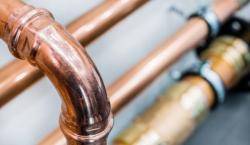 Copper has been used in plumbing systems for more than a century, yet it remains one of the most trusted materials for delivering safe drinking water in homes, commercial buildings and public infrastructure. Despite the rise of alternative materials, copper water pipes continue to offer an unrivalled combination of durability, safety, heat resistance, pressure performance and sustainability. With a proven lifespan that often exceeds 50 years, full recyclability and compliance with UK plumbing standards, copper remains the benchmark against which all other plumbing materials are measured.
For homeowners, installers, specifiers and developers seeking long-term value rather than short-term savings, copper pipes for plumbing continue to provide a future-ready solution.
Why Is Copper Still Used for Water Pipes?
Copper remains widely used because it possesses a unique combination of properties that few materials can match simultaneously.
When people ask “why is copper used for water pipes?” or “why do we use copper pipes for water?”, the answer lies in its balance of:
Long service life
Drinking water safety
Strength and durability
Temperature resistance
Pressure resistance
Fire safety performance
Sustainability credentials
Recyclability
Modern plumbing systems face increasing demands. They must cope with changing occupancy patterns, higher water efficiency standards, renewable heating technologies and increasingly stringent building regulations. Copper remains well suited to all these requirements.
While newer alternatives have entered the market, copper continues to be specified across domestic, commercial, healthcare, education and industrial sectors because of its proven performance under real-world conditions.
Why Are Water Pipes Made of Copper?
Water pipes are made of copper because the material offers exceptional reliability throughout the life of a building.
Unlike many products that have only been widely used for a few decades, copper plumbing systems have a track record spanning generations. This gives architects, engineers and installers confidence in how the material will perform over time.
Copper is:
Non-combustible
Naturally resistant to UV degradation
Highly resistant to temperature extremes
Mechanically strong
Compatible with modern plumbing systems
Fully recyclable
The combination of these properties makes copper one of the lowest-risk materials available for water distribution systems.
Why Is Copper Used to Make Water Pipes Instead of Other Materials?
Several factors contribute to copper’s continued dominance.
Proven Long-Term Performance
Many building products claim longevity, but copper has decades of evidence to support those claims.
Buildings across the UK still operate safely using copper plumbing systems installed in the 1960s, 1970s and 1980s.
Reliability in Challenging Conditions
Copper performs effectively under:
Constant water pressure
Daily temperature fluctuations
High hot-water demand
External environmental stress
Confidence for Specifiers
For architects and engineers designing buildings expected to remain operational for many decades, proven performance reduces installation and maintenance risk.
Are Copper Pipes Safe for Drinking Water?
One of the most common questions homeowners ask is:
Are copper pipes safe for drinking water?
The answer is yes.
Copper pipes have been used for potable drinking water systems worldwide for decades and remain approved for this purpose throughout the UK.
When manufactured, installed and operated in accordance with recognised standards, copper provides a reliable and hygienic means of transporting drinking water.
Natural Antimicrobial Properties
Copper is unique among common plumbing materials because of its naturally antimicrobial characteristics.
Research has demonstrated copper’s ability to inhibit the growth of certain microorganisms on its surface, making it particularly attractive for applications where hygiene is important.
This is one of the reasons copper continues to be specified in:
Hospitals
Care homes
Schools
Universities
Public buildings
Compliance with Regulations
Copper plumbing systems are compatible with UK requirements relating to potable water installations and are commonly specified within projects designed to meet Water Regulations and Building Regulations requirements.
How Long Do Copper Water Pipes Last?
Search data consistently shows this is one of the most frequently asked questions about plumbing systems.
How Long Do Copper Water Pipes Last?
In most circumstances, copper water pipes can last 50 years or more.
In many cases, properly installed systems exceed this lifespan.
Actual service life depends on factors including:
Water chemistry
Flow conditions
Installation quality
Operating temperatures
Environmental exposure
How Long Should Copper Water Pipes Last?
For most domestic and commercial applications, a well-designed copper plumbing system should provide decades of reliable operation with minimal maintenance.
This makes copper particularly attractive for projects where whole-life performance matters more than achieving the lowest initial installation cost.
How Long Do Copper Pipes Last With Hard Water?
Hard water contains elevated mineral levels that can lead to scale formation within plumbing systems.
Copper generally performs very well in hard water areas and has a long history of successful installation throughout regions of the UK with naturally hard water supplies.
System performance will always depend on local water chemistry, but copper remains a trusted option in hard water locations.
Why Copper Remains the Benchmark for Hot Water Systems
One of copper’s greatest advantages is its ability to withstand high temperatures.
Modern buildings increasingly utilise:
Heat pumps
Solar thermal systems
Commercial hot-water systems
District heating networks
These applications can place substantial thermal demands on pipework.
Copper remains highly effective because it:
Maintains strength at elevated temperatures
Does not soften under normal operating conditions
Resists thermal ageing
Accommodates continuous hot-water circulation systems
This is a major reason why copper pipes for water continue to be widely specified for both hot and cold-water installations.
Pressure Resistance and Mechanical Strength
Plumbing systems are expected to operate reliably under pressure day after day for decades.
Copper’s mechanical strength allows it to maintain performance across a wide variety of building types, including:
Flats and apartments
High-rise developments
Hotels
Leisure facilities
Commercial offices
Healthcare facilities
Copper is particularly attractive where high pressure and long design life requirements exist.
Copper and Fire Safety
As fire safety receives increasing attention across the built environment, material selection is becoming more important than ever.
Copper offers a significant advantage because it is non-combustible.
Unlike some alternative materials:
Copper does not burn.
Copper does not contribute fuel to a fire.
Copper does not produce smoke.
Copper does not release toxic combustion gases.
This characteristic makes copper particularly suitable for projects where fire performance is a key design consideration.
Why Copper Is a Sustainable Plumbing Choice
Sustainability is becoming one of the most influential factors in construction product specification.
This is where copper offers several important advantages.
Copper Is Infinitely Recyclable
One of copper’s most significant sustainability benefits is that it can be recycled repeatedly without losing its performance characteristics.
A copper pipe installed today could potentially be recycled and reused many decades from now while retaining the same properties.
Supports Circular Economy Objectives
Because copper retains value throughout its lifecycle, it aligns strongly with circular economy principles.
Rather than becoming waste at the end of use, copper can be recovered and returned to the supply chain.
Long Lifespan Reduces Environmental Impact
Products that last longer typically require fewer replacements.
When a plumbing system remains operational for half a century or more, the resources associated with manufacturing, transporting and installing replacement materials can be significantly reduced.
This longevity contributes to lower lifecycle impacts and improved resource efficiency.
Copper vs Plastic Plumbing Systems
Plastic plumbing systems are commonly used in modern construction and can offer certain installation advantages.
However, there are numerous applications where copper remains the preferred option.
Choose Copper When You Need:
High-temperature resistance
Fire safety performance
Long design life
Mechanical robustness
Exposed architectural pipework
Commercial durability
Recyclability
For many projects, the decision should focus on lifecycle performance rather than solely on upfront installation costs.
What Size Are Copper Water Pipes?
Homeowners frequently ask:
What size are copper water pipes?
What diameter is copper water pipe?
In UK domestic properties, common copper pipe diameters include:
Pipe Size Typical Application
10mm Individual appliances
15mm General domestic distribution
22mm Higher-demand services
28mm Larger properties and commercial systems
Commercial installations may require considerably larger diameters depending on flow requirements.
Correct sizing should always be determined through hydraulic calculations and system design requirements.
How Thick Are Copper Water Pipes?
Copper water pipe wall thickness varies depending on:
Pipe diameter
Pressure requirements
Product standard
Application
Copper tube manufactured to BS EN 1057 is commonly used throughout the UK plumbing industry and is available in various dimensions suitable for domestic and commercial applications.
Why Do Copper Water Pipes Turn Green?
Many property owners become concerned when they notice discolouration on pipework.
Why Do Copper Water Pipes Turn Green?
Copper naturally reacts with oxygen, moisture and environmental exposure to form a protective surface layer known as a patina.
This green appearance is often harmless and may actually help protect the underlying metal.
Why Are My Copper Water Pipes Turning Green?
However, if green staining is accompanied by:
Dampness
Water droplets
Corrosion around joints
White mineral deposits
a plumbing inspection may be advisable to identify any leaks or moisture issues.
Do Copper Water Pipes Burst When Frozen?
Any water-filled pipe can be damaged if the water inside freezes.
Contrary to popular belief, freezing itself is not usually what causes failure.
The damage occurs because expanding ice creates internal pressure.
To reduce risk:
Insulate exposed pipework
Protect pipes in roof spaces
Seal draughts
Maintain appropriate building temperatures
This explains why many homeowners search for information about how to insulate copper water pipes before winter arrives.
How to Insulate Copper Water Pipes
Pipe insulation helps improve energy efficiency and protects systems against freezing conditions.
Good practice includes:
Identify exposed pipework.
Install appropriately sized insulation sleeves.
Seal joints and gaps.
Pay particular attention to lofts, garages and external walls.
Inspect insulation periodically for damage.
Insulation can reduce heat loss while improving system resilience during cold weather.
How to Secure Copper Water Pipes
Correct support is essential for long-term reliability.
Copper pipes should be secured using suitable clips and supports designed for the pipe diameter and installation environment.
Proper support helps prevent:
Excess movement
Noise and vibration
Joint stress
Premature wear
Correct clipping is especially important in longer pipe runs where thermal expansion may occur.
Can You Paint Copper Water Pipes?
Yes.
Many homeowners paint exposed copper pipes to improve aesthetics or match interior décor schemes.
For best results:
Clean the pipe surface thoroughly.
Remove grease and contamination.
Apply a suitable metal primer.
Use an appropriate topcoat.
Painting does not negatively affect pipe performance when carried out correctly.
Can You Solder Copper Pipes With Water in Them?
Soldering requires heat to reach the correct temperature for capillary action and joint formation.
Residual water inside a pipe can prevent sufficient heating.
For effective soldering:
Isolate the water supply.
Drain the pipework.
Clean mating surfaces.
Apply suitable flux.
Use the correct soldering process.
Anyone researching how to solder copper water pipes should ensure manufacturer guidance and recognised plumbing standards are followed.
What Does Softened Water Do to Copper Pipes?
Water softening removes calcium and magnesium minerals responsible for hardness.
In most correctly designed systems, softened water and copper pipework coexist successfully.
However, all plumbing materials can be influenced by water chemistry. Where unusual water conditions exist, professional advice may be appropriate to ensure system compatibility.
Copper and Heat Pump Installations
As the UK transitions towards low-carbon heating, heat pumps are becoming increasingly important.
Copper works particularly well within heat pump systems because of its:
Thermal performance
Reliability
Longevity
Pressure resistance
Ability to operate across varying temperatures
For installers delivering future-ready heating and hot-water systems, copper remains a highly effective choice.
Why Copper Continues to Set the Standard
Despite the availability of alternative materials, copper continues to define best practice in plumbing.
Its combination of safety, durability, pressure resistance, heat resistance and sustainability remains difficult to match.
Whether the consideration is drinking water quality, lifecycle value, regulatory compliance or environmental performance, copper consistently demonstrates why it remains one of the most trusted materials in the built environment.
For homeowners seeking peace of mind, for installers seeking reliability and for specifiers focused on long-term building performance, copper remains the benchmark material for plumbing systems.
Frequently Asked Questions
Are copper pipes safe for drinking water?
Yes. Copper has been used safely in potable water systems for decades and remains widely approved for drinking water distribution.
How long do copper water pipes last?
Most copper plumbing systems can last 50 years or more when properly installed and maintained.
Why is copper used in water pipes?
Copper combines durability, safety, pressure resistance, heat resistance and recyclability in a single material.
Why are water pipes made out of copper?
Copper provides proven long-term performance and reliability across domestic and commercial applications.
What size are copper water pipes?
Common UK domestic sizes include 10mm, 15mm, 22mm and 28mm.
Why do copper water pipes turn green?
Exposure to oxygen and moisture can cause a natural protective patina to form on copper surfaces.
Do copper water pipes burst when frozen?
They can, as expanding ice creates pressure inside the pipe.
Can you paint copper water pipes?
Yes. Clean, prime and paint the pipe using products suitable for metal surfaces.
How do you secure copper water pipes?
Use appropriate clips and supports at recommended intervals to minimise movement and stress.
What does softened water do to copper pipes?
In most systems, softened water and copper pipework are compatible, although water chemistry should always be considered.
Looking for a plumbing material that delivers proven performance, drinking water safety and long-term sustainability?
Explore our guidance on responsible copper specification, recycling and lifecycle performance to discover why copper remains one of the most trusted materials in modern buildings. Whether you’re designing a housing development, commercial facility or public-sector project, copper offers a durable and recyclable solution built for generations.