Heckmondwike FB - Understanding LRV and Why It Matters in Flooring
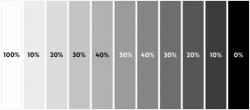 Light Reflectance Value (LRV) is a measurement that indicates the percentage of visible and usable light reflected from a surface when illuminated by a light source. Expressed as a percentage on a scale from 0 to 100, an LRV of 0% means the surface absorbs all light, while 100% means it reflects all light.
Why LRV Matters in Design
When selecting colours and materials for interiors, LRV helps designers and specifiers evaluate the contrast between adjacent surfaces. This contrast is essential not only for aesthetics, but also for accessibility, visibility, and even energy efficiency.
LRV and Accessibility Regulations
In the UK, LRV plays a key role in meeting accessibility and safety requirements, particularly in public and commercial buildings. LRV is not just a design consideration; it’s also a practical tool used to support inclusive environments where everyone, including people with visual impairments, can move safely and independently.
To ensure this, many buildings must comply with accessibility guidelines set out in formal standards and legislation. One of the most widely referenced documents is:
BS 8300-2:2018 – Design of an accessible and inclusive built environment – Buildings – Code of practice
This British Standard provides detailed guidance for designing spaces that are safe and usable for all. A key recommendation from BS 8300 is to maintain a minimum contrast of 30 LRV points between adjacent surfaces — for example, between the floor covering and stair nosings. This level of contrast improves visibility and helps visually impaired individuals clearly identify changes in level, such as steps, ramps, or door thresholds.
Beyond stairs, LRV contrast is also used to improve the visibility of wayfinding signage, handrails, walls, and floors — especially in areas with low lighting or complex layouts.
Want to dive deeper into LRV and accessibility? Read our post: LRV and Colour Contrast: Getting it Right in Flooring Transitions
LRV for Energy Efficiency
Choosing materials with higher LRV can significantly impact the energy performance of a space. Surfaces with high LRV reflect more natural daylight, which reduces the reliance on artificial lighting. This not only helps cut energy costs but also supports sustainability targets — especially in larger commercial environments or buildings seeking energy certifications.
The climate and environment also influence the ideal LRV range for flooring and surfaces:
In warmer climates, materials with higher LRVs are often preferred, as they reflect heat and light, helping to keep interiors cooler
In cooler climates, lower LRV materials may be more appropriate, as they absorb more heat, contributing to thermal comfort and potentially reducing heating demands
By considering both energy performance and environmental context, designers can use LRV as a strategic tool for achieving both comfort and efficiency.
LRV as a Design Tool
Beyond its energy-saving benefits, LRV is a versatile tool for enhancing the atmosphere of interior spaces:
High LRV colours reflect more light, helping to brighten a space and create a sense of openness
Low LRV colours absorb more light, resulting in a warmer, more intimate ambiance
Low LRV carpet was used in this bed shop to add a sense of luxury and cosiness, helping customers imagine how a bed might feel in a calm, restful home environment.
To add visual depth and contrast, designers often combine materials with varying reflectivity. For example, pairing light, high LRV walls with darker, low LRV carpets can help define zones within open-plan areas, guide movement, and add aesthetic interest. Introducing textured finishes or materials that interact with natural and artificial light can also create subtle highlights, shadows, and movement across surfaces.
Balancing Aesthetics with Practicality
The combination of colour and light reflectance does more than influence mood, it can also improve how well a space performs on a day-to-day basis.
Strategic use of LRV in design can help:
Reduce glare and eye strain, especially in screen-heavy environments
Support concentration and productivity by controlling brightness and contrast
From a practical perspective, LRV can also inform surface selection based on durability and maintenance:
Low LRV carpets are effective at hiding dirt, scuffs, and general wear, making them a smart choice for high-traffic areas like corridors, classrooms, or office walkways.
In larger spaces with ample natural light, darker flooring can help “ground” the room visually without making it feel closed in
Low LRV flooring is often used in large, high-traffic spaces with ample natural daylight — such as schools — where it helps to conceal dirt, scuffs, and stains more effectively
How to Choose the Right LRV for Your Space
Since every space is different, the best way to choose LRV values is to test colours and materials under the actual lighting conditions in your environment. This allows you to find the ideal balance between light reflection and absorption, depending on your design goals and practical needs.
Want to see how a colour will look in your space? contact sales@heckmondwike-fb.co.uk