Can You Apply Waterproof Paint In Cold Weather? Autumn & Winter Tips
October 2026
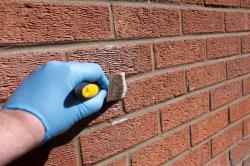 Yes, you can, but it takes more care than summer application. Applying waterproof paint in cold weather works as long as the temperature, moisture levels and drying time all stay within what the product needs. Get it wrong and you risk poor adhesion, patchy finishes and early failure. Get it right and your waterproofing for brickwork and concrete will be ready for the worst of the winter weather. Here’s what to check before you pick up a brush.
What’s The Minimum Temperature For Applying Waterproof Paint?
Most exterior masonry coatings need the air and the surface to sit above 5°C and above 25°C, and they should be protected from rain for at least 48 hours afterwards. Some cold-weather formulas can go lower, to around 2°C, but you should refer to the datasheet as the final authority.
Why Surface Temperature Matters
The air temperature on the forecast isn’t the whole story. Shaded, north-facing walls can be noticeably colder than the air around them, so use a surface thermometer if you can. If the wall is below the minimum, wait.
Why Overnight Lows Matter
Paint keeps curing for hours after it feels dry to the touch. If temperatures drop below the minimum that evening, the film can stay weak and under-cured. Check the overnight forecast as well as the daytime high.
Watch The Dew Point & Frost
Aim for a surface temperature at least 3°C above the dew point, otherwise condensation can form on wet paint. Never coat a frosty wall either. Trapped moisture freezes, expands and leads to blistering and flaking.
How To Choose Waterproof Paint For Colder Months
Not every product copes with cool, damp conditions in the same way. The different types of masonry paint vary in how they dry, how breathable they are and how quickly they become shower resistant.
Before you buy, check the datasheet for:
The minimum application temperature
How long it takes to become showerproof
Recoat times at lower temperatures
Full cure time
Whether the coating lets the wall breathe
Breathability matters in winter. A coating that traps moisture behind it will struggle once temperatures swing up and down.
How To Prepare Surfaces In Cold & Damp Conditions
Preparation matters even more in autumn and winter, because damp walls and slow drying leave less room for error.
Clean Walls & Treat Growth
Remove dirt, loose paint, moss and salts first. If you’ve got green or black patches, you’ll need to treat algae and mould growth properly rather than just painting over it. Painting over growth is one of the quickest ways to cause peeling.
Make Sure The Wall Is Dry
Washing a wall in cold weather adds moisture, and it takes far longer to evaporate than it would in July. Leave plenty of time after cleaning or heavy rain. A moisture meter takes the guesswork out of it, and paint applied to a damp wall simply won’t bond properly.
Prime Where Needed
Powdery, crumbling or very porous surfaces usually need sealing first. Knowing how to pick the right primer for masonry paint makes a big difference to coverage and adhesion.
Tips For Applying Waterproof Paint In Cold Weather
Once the weather and the wall are right, a few habits will improve your results.
Paint During The Warmest Part Of The Day
Start mid-morning once the sun has taken the edge off the surface, and stop early enough that the coat has several hours above the minimum temperature before the evening chill. Avoid starting a new section late in the afternoon.
Apply Thin, Even Coats
Thick coats dry slowly in the cold and are more likely to fail. Apply thin coats and leave enough time between them. Don’t add water or solvents to thin the paint. Manufacturers don’t test their products with additives, so you could compromise the finish.
Cold paint is also thicker and harder to apply, so store tins somewhere warm and bring them out when you’re ready to start.
Allow Extra Drying Time
Cold, damp air slows evaporation, and drying times can double or even triple. Stick to the recoat times on the datasheet for the temperature on the day, not the one printed for ideal conditions. Rushing a second coat traps moisture in the first.
Ideally, pick a window with a dry forecast for at least 48 hours.
Frequently Asked Questions
What temperature is too cold to apply waterproof paint?
For most exterior masonry coatings, anything below 5°C is too cold, and you shouldn’t apply paint to frosty or frozen surfaces. Some low-temperature formulas can be applied slightly lower, so check the datasheet.
Can I apply waterproof paint to damp walls?
No. Moisture in the wall stops the paint bonding and can lead to blistering and peeling. Let the surface dry fully, using a moisture meter to confirm, before you start.
How long does waterproof paint take to dry in winter?
It takes longer than in warm weather, often twice as long or more. Expect to wait longer between coats and keep the surface protected from rain, frost and heavy dew for at least 48 hours.
Get Expert Advice On Waterproof Paint For Autumn & Winter Projects
If you’re planning exterior work this autumn or winter, choosing the right product and timing the job properly can save you from costly repairs later. We’re happy to talk through your surface, the conditions and the datasheet details, so you know exactly what to expect.
Get in touch with our team by phone or email today for free, friendly advice before you start.
Tel: 01902 450950
Email: enquiries@hydronpc.co.uk